
Tropical and Sub-tropical plants
Curator - Sergei Kalyuzhny
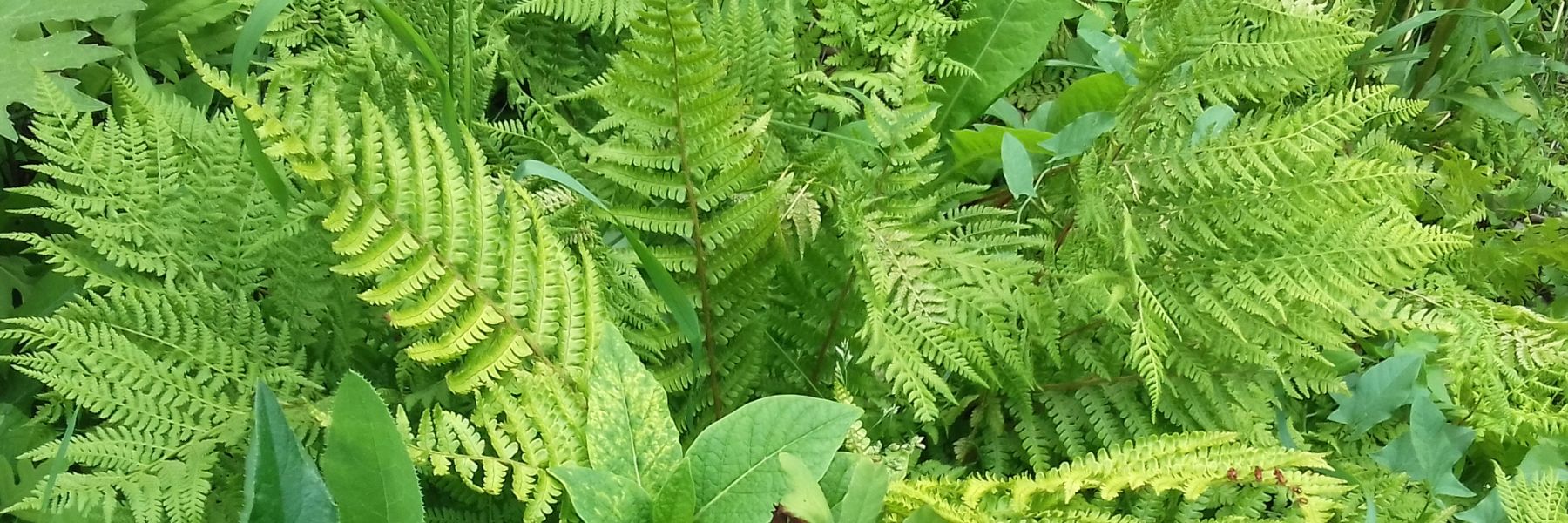
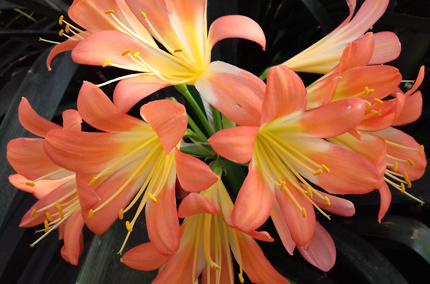
Having analyzed the activities of Russian and foreign botanical gardens, we reached the conclusion that we should pursue our own, specific, well-defined goals. Therefore we began to develop tropical and subtropical collections based on the geography ofSoutheast Asia, with plants from the tropical and subtropical regions of the Asian continent. But the recent period has seen continual growth of the role of botanical gardens as gene banks for the preservation of plant species. So we have successfully cultivated an endemic plant found in a limited zone of Chiapas (Mexico), Csapodya splendens (Breedlove et Lorence) Borhidi (synonym Deppea splendens), which has completely disappeared from the natural world. From East Asian flora one could mention very rare plants such as Amentotaxus yunnanensis H.L. Li, A. argotaenia (Hance) Pilg., Сupressus vietnamensis (Farjon et T.H. Nguyen) Silba, Nageia fleuryi (Hickel) de Laub., N. nagi (Thumb.) Kuntze, N. wallichiana (C. Presl) Kuntze, Podocarpus deflexus Ridl.,Cunninghamia lanceolata (Lamb.) Hook., Cephalotaxus alpina (H.L. Li) L.K. Fu, C. fortune Hook., C. harringtonii (Knight ex J. Forbes) K. Koch, C. sinensis (Rehder et E.H. Wilson) H.L. Li, many Vietnamese lilies, genuses Peliosanthes, Aspidistra (many species recently described for science), Chinese gesneriaceae from the genuses Primulina, Boea, Hemiboea, and others. The cultivation of rare plants indoors should be an integral part of any botanical garden, in part for the preservation of biodiversity of the world’s flora. At the present time we are continuing to review our tropical and subtropical collections.
Dendrology (Woody Plants) Collection
Curator – Evgeniia Filimonova
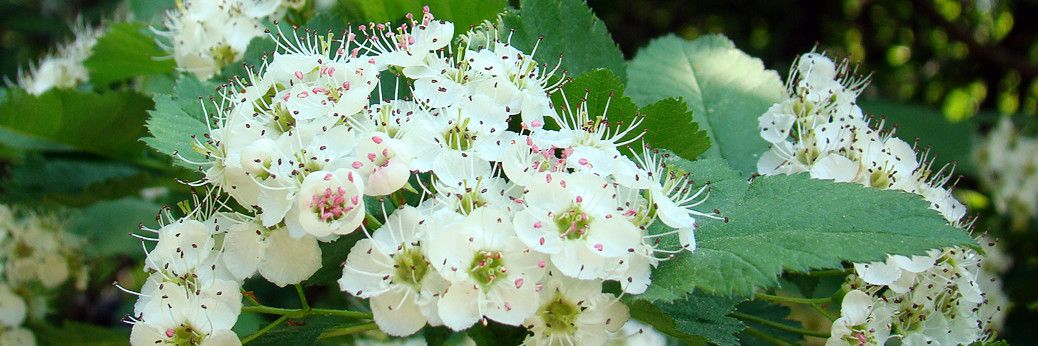
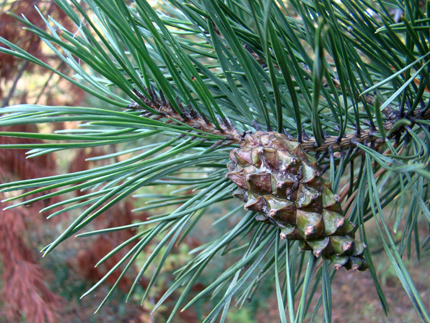
The dendrology collection contains, for the most part, woody plants of the boreal forest (Northern Hemisphere). The chief forest types are conifers, small-leaf and broad-leaf forests of Eurasia and North America, and also species that make up the forest understory. Currently our collection of outdoor woody plants consists of 369 species and sub-species taxa (251 species and subspecies, and 118 varieties) in 82 genera and 32 families. In regard to biogeography, the dominant species are those which grow in in Siberia – 74 species; from Far Eastern flora – 57 species; from European flora – 52 species; from North American flora – 37 species; from East Asian flora – 28 species; from Central Asian flora – 3 species; and hybrids resulting frombreeding – 118 forms.
Herbaceous (Non-Woody) Plants Collection
Curator – Snezhana Kalinovich
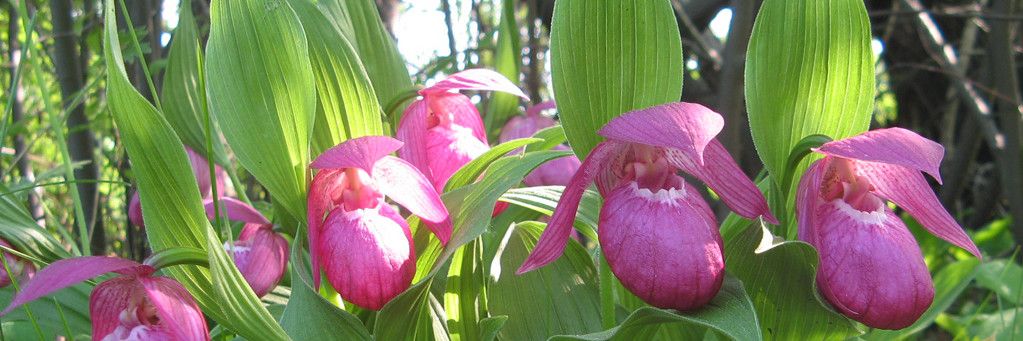
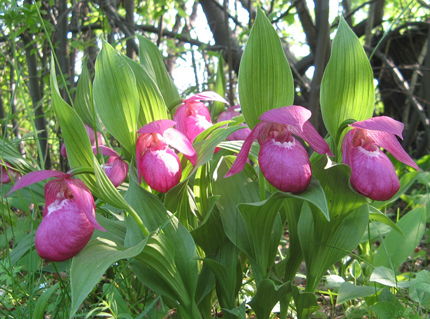
The collection of herbaceous perennials consists of 486 species, 144 genera, and 48 families. Plants from various regions of the Northern Hemisphere are represented. For example, from the flora of Europe and the Caucuses we have 143 species, from East Asia (China and the Far East) 91 species, and from North America 50 species. There are 138 species from the Baikal region, and 13 species listed in the Red Book of Endangered Plants of Russia being grown. Of these, representatives of regional flora include Anemone baicalensis Turch.ex Ledeb., Cypripedium calceolus L., Cypripedium macranthon Sw., and Rhodiolarosea L. There are 24 species represented from the Red Book of Endangered Plants of Irkutsk Province.
Medicinal Plants
Curator – Anastasia Konkolevskaya
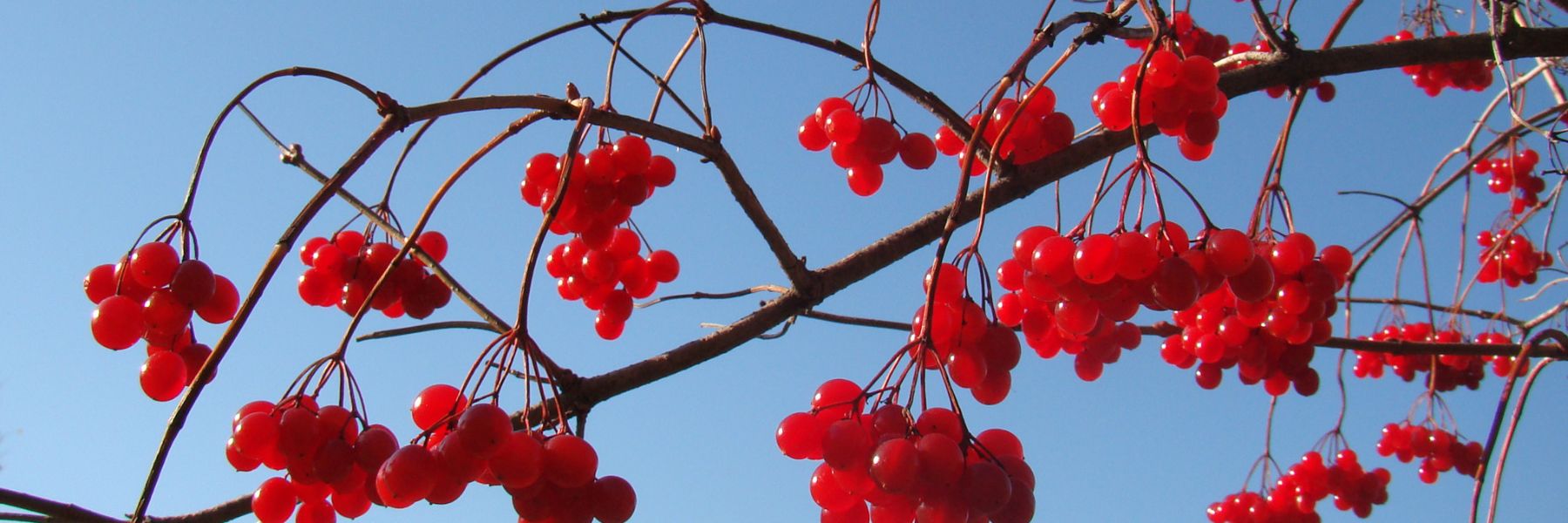
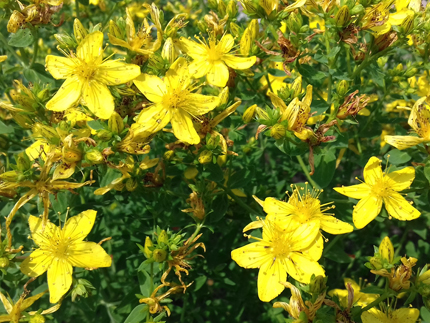
The collection of herbaceous perennials consists of 486 species, 144 genera, and 48 families. Plants from various regions of the Northern Hemisphere are represented. For example, from the flora of Europe and the Caucuses we have 143 species, from East Asia (China and the Far East) 91 species, and from North America 50 species. There are 138 species from the Baikal region, and 13 species listed in the Red Book of Endangered Plants of Russia being grown. Of these, representatives of regional flora include Anemone baicalensis Turch.ex Ledeb., Cypripedium calceolus L., Cypripedium macranthon Sw., and Rhodiolarosea L. There are 24 species represented from the Red Book of Endangered Plants of Irkutsk Province.
Fruit and Berry Collection
Curator – Oleg Letov
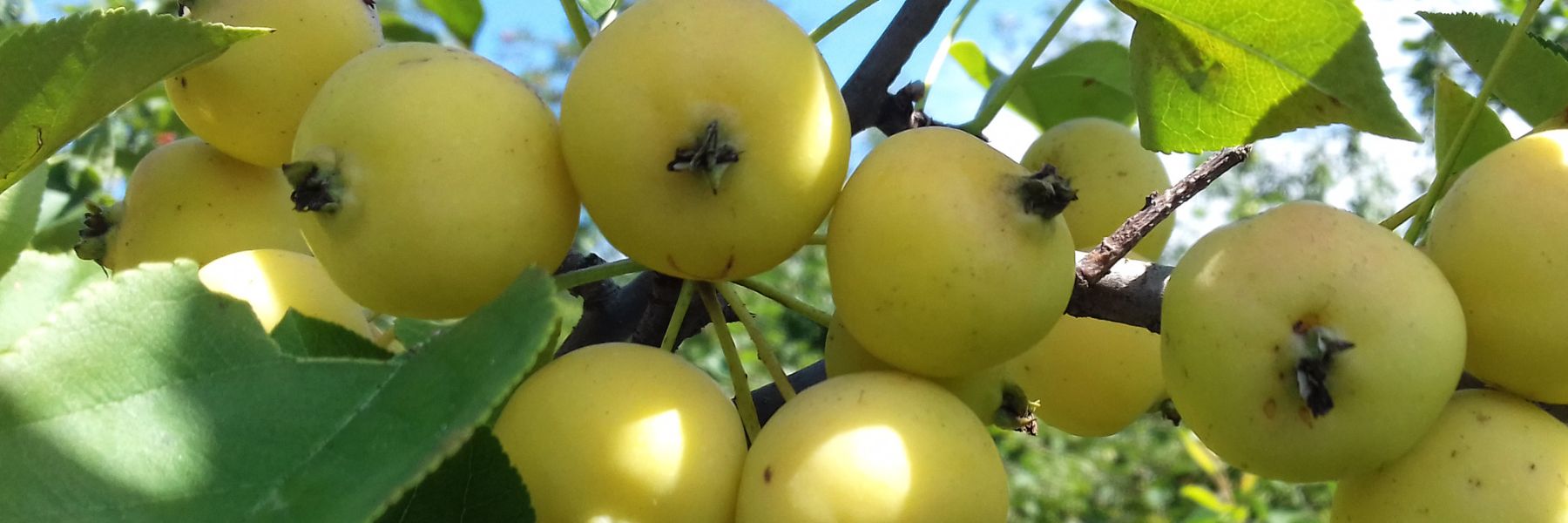
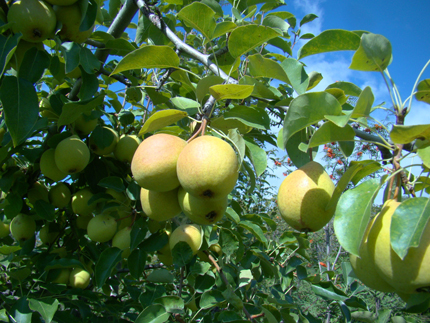
The collection of fruit plants numbers about 250 varieties and forms of apple, pear, mountain ash, plum, cherry, and apricot, whose origins can be traced to the European part of Russia, Asia (including China), and North America. A central focus is given to collecting pear, a rare variety for the conditions of Eastern Siberia.